

Is Anonymous Therapy Effective? What Research Says
Mental health care is evolving beyond the therapy room. With growing concerns around privacy, stigma, and accessibility, anonymous therapy—especially phone-based psychological consultation—has gained significant attention. But a critical question remains for both clients and professionals:
Is anonymous therapy actually effective, according to research?
This article explores scientific findings, clinical insights, and real-world applications of anonymous therapy to understand where it works, why it works, and who benefits the most.
What Is Anonymous Therapy?
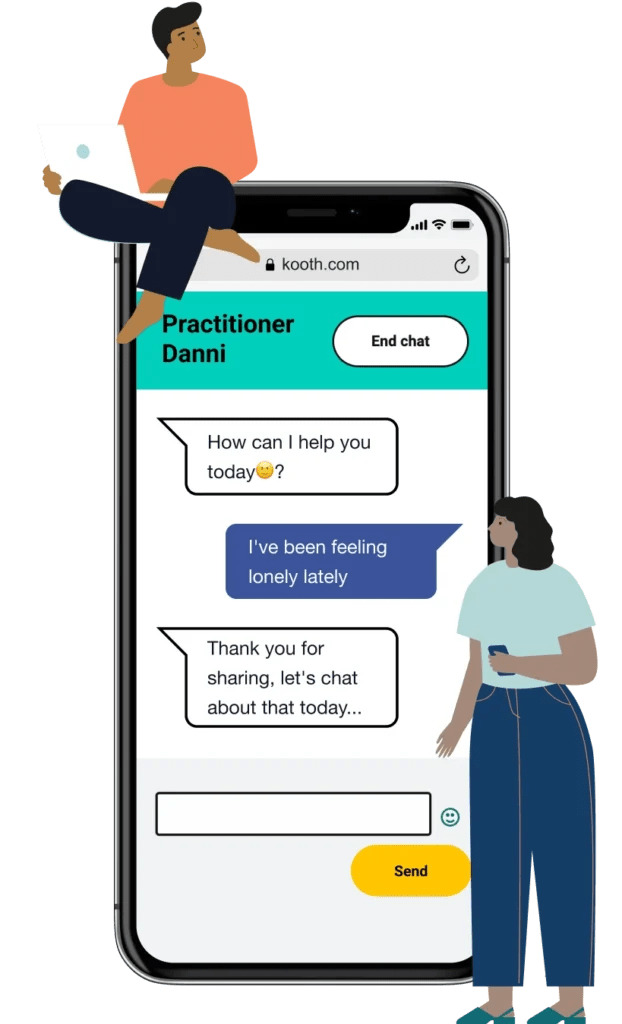
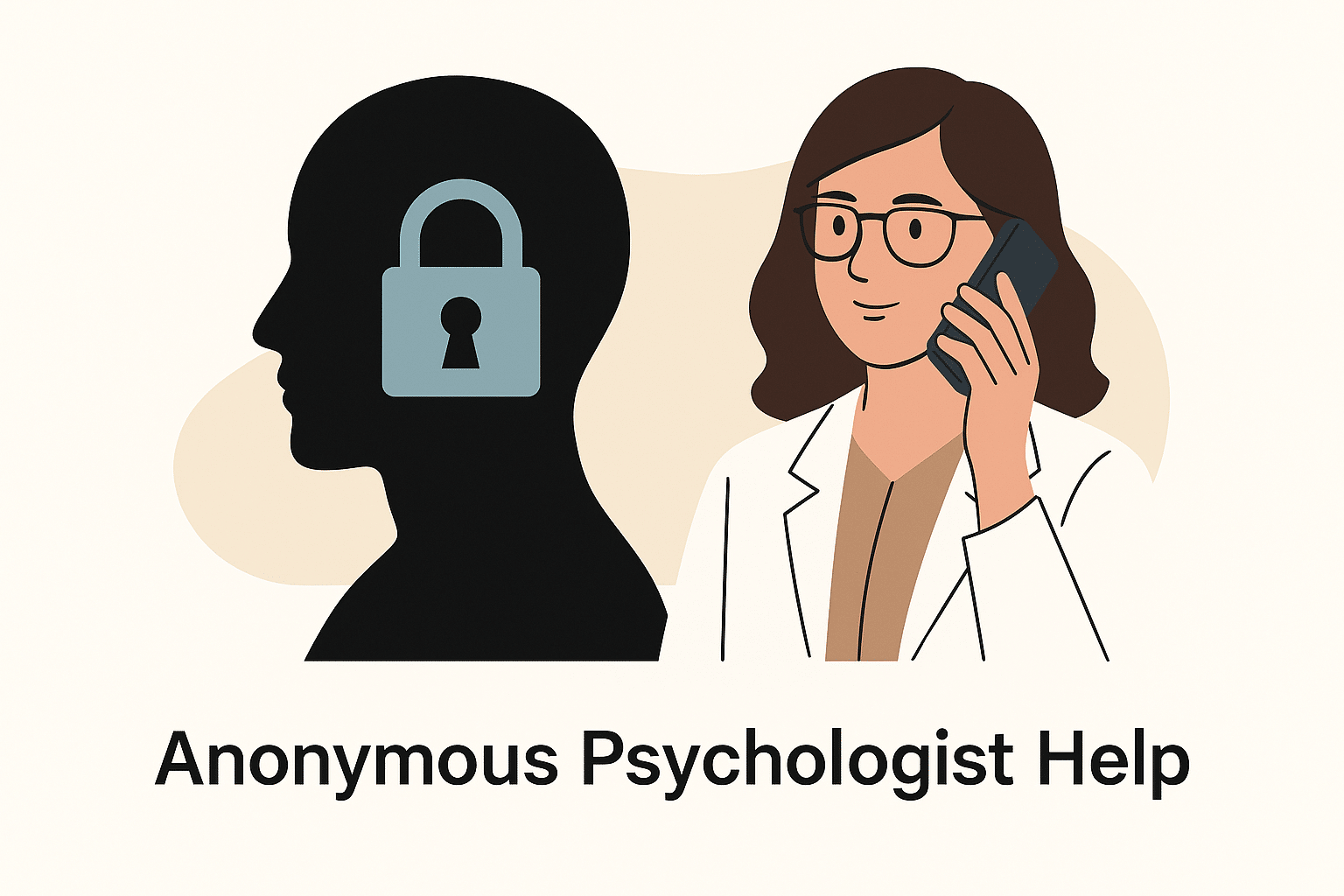
Anonymous therapy allows individuals to receive professional psychological support without revealing their personal identity. Most commonly delivered through phone consultations, this format removes visual and social pressures while maintaining therapeutic structure.
People often seek anonymous therapy when they:
- Feel uncomfortable being seen or recognized
- Fear judgment or stigma related to mental health
- Want immediate psychological guidance
- Prefer voice-based interaction over video or in-person sessions
Importantly, anonymous therapy is not informal counseling—it is conducted by licensed psychologists using established therapeutic frameworks.
What Psychological Research Says About Anonymous Therapy
1. Anonymity Improves Emotional Disclosure
Research in clinical and cyber psychology consistently shows that anonymity encourages individuals to speak more openly about distressing or sensitive issues. Reduced fear of judgment leads to greater emotional honesty, which is a core predictor of positive therapeutic outcomes.
Studies comparing anonymous and identified therapy formats have found equal or higher levels of self-disclosure in anonymous settings, particularly during early sessions.
2. Therapeutic Alliance Can Still Be Strong
A common concern is whether anonymity weakens the therapist–client relationship. Evidence suggests otherwise.
Research on phone-based and remote therapy shows that empathy, trust, and therapeutic alliance can develop effectively without face-to-face interaction—provided the therapist is trained in verbal attunement and structured intervention.
3. Comparable Outcomes for Common Mental Health Concerns
For issues such as:
- Anxiety
- Stress and burnout
- Mild to moderate depression
- Relationship and adjustment difficulties
anonymous therapy has demonstrated outcomes comparable to traditional in-person therapy, especially in short- and medium-term care.
This makes it a viable and evidence-backed option for many individuals seeking psychological support.
4. Early Access Prevents Escalation
Anonymous therapy often serves as a first point of contact for people who might otherwise delay or avoid mental health care altogether. Early intervention plays a crucial role in preventing emotional distress from escalating into more severe conditions.
Clinical Perspective: Why Anonymity Can Help
According to Dr. Pooja Dubey, anonymity can significantly reduce psychological resistance in the early stages of therapy. When clients feel safe from social exposure, they are more willing to explore difficult emotions and engage with therapeutic strategies.
Clinical experience shows that effectiveness depends more on professional expertise and ethical practice than on whether the client reveals their identity.
When Anonymous Therapy Is Most Effective
Anonymous therapy tends to work best when:
- Conducted by licensed mental health professionals
- Used for emotional clarity, coping skills, and psychological guidance
- Accessed consistently rather than as a one-time interaction
- Supported by clear confidentiality standards
For severe psychiatric conditions or crisis situations, anonymous therapy can act as supportive care, alongside referrals for in-person or emergency services when required.
Anonymous Therapy Across Mental Health Categories
Anonymous phone consultations are increasingly used across a wide range of concerns, including:
- Anxiety and stress management
- Depression and mood-related issues
- Relationship and marital challenges
- Workplace stress and burnout
- Family and parenting concerns
- Emotional distress and life transitions
Having access to category-specific psychological expertise ensures that anonymity does not compromise quality of care.
Accessing Anonymous, On-Call Psychological Support
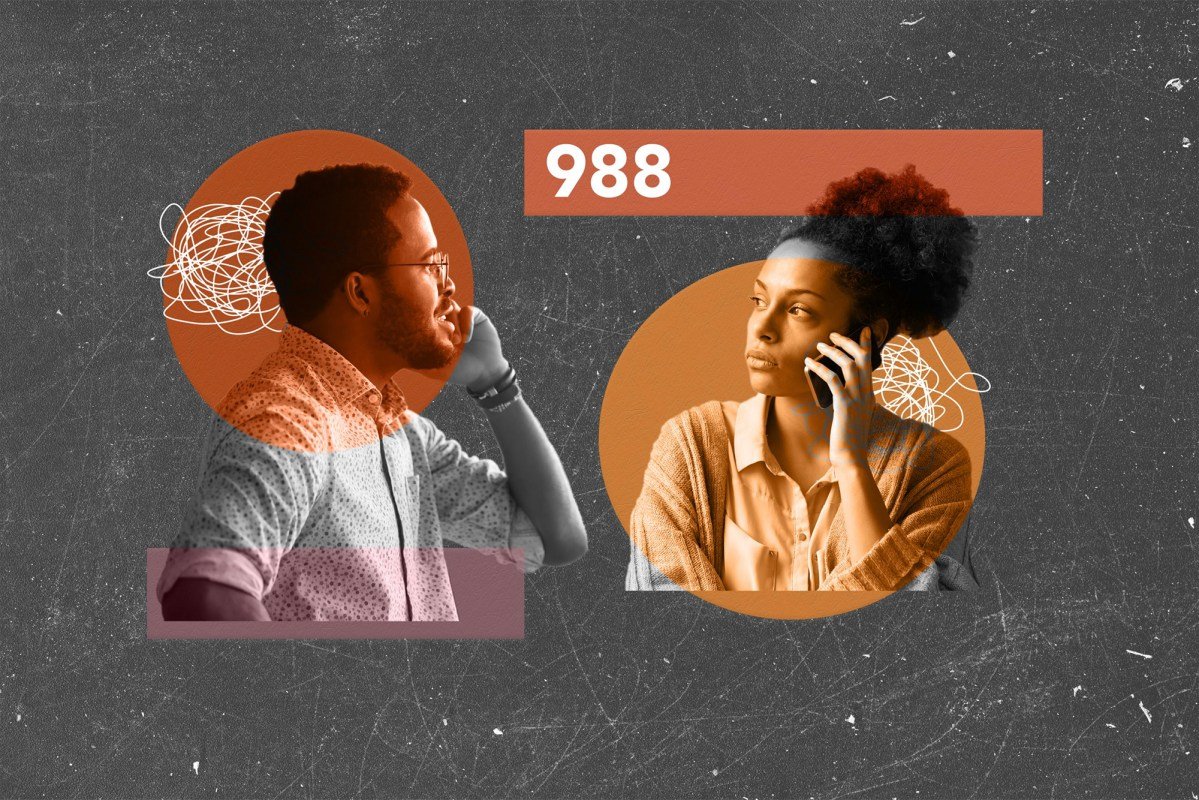
Platforms such as Dial Me 24/7 enable individuals to connect with qualified psychologists for anonymous, on-call phone consultations across multiple mental health categories. This model combines research-backed psychological care with privacy, immediacy, and accessibility.
🔹 Why This Matters
For many people, anonymity is not a preference—it is the reason they seek help at all. When delivered responsibly by trained professionals, anonymous therapy aligns closely with modern psychological research and ethical practice.
Final Takeaway
Anonymous therapy is effective, particularly for individuals who value privacy, need immediate support, or are taking their first step toward mental health care. Research supports its role in improving access, increasing emotional openness, and delivering meaningful psychological outcomes when conducted by qualified clinicians.
As mental health services continue to evolve, anonymous phone-based therapy stands as a credible, evidence-informed option within the broader care ecosystem.